


How to Start a Career in Medical Coding After B.Sc. Life Sciences
Introduction
Starting a career in medical coding after completing a B.Sc. in Life Sciences is a practical and rewarding choice, especially if you are interested in healthcare but prefer a non-clinical role. Medical coding involves converting medical diagnoses, procedures, and treatments into standardized codes used for billing and insurance purposes. With your academic background, you already have a strong foundation in biology, anatomy, and medical terminology, which gives you an advantage in this field.
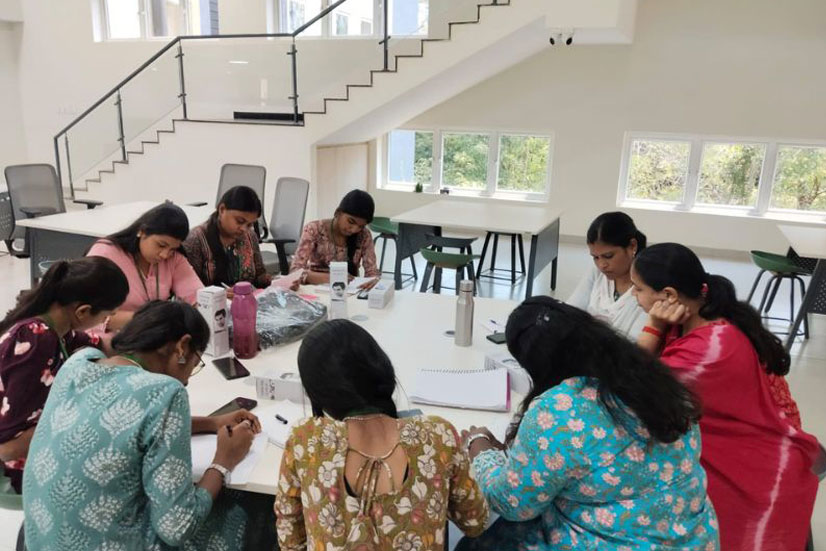
The first step is to understand what medical coding actually involves on a day-to-day basis. Coders review patient records, identify relevant information, and assign appropriate codes using classification systems such as ICD (International Classification of Diseases) and CPT (Current Procedural Terminology). Accuracy is critical because these codes directly impact hospital revenue and insurance claims.
After gaining a basic understanding, the next step is to enroll in a professional medical coding course. Look for training institutes that provide structured learning, practical exposure, and placement assistance. A good course will cover anatomy, physiology, medical terminology, ICD-10, CPT coding, and real-time case studies to prepare you for industry requirements.
Certification plays a key role in building your career in medical coding. Globally recognized certifications such as CPC (Certified Professional Coder) or CCS (Certified Coding Specialist) can significantly improve your job prospects. These certifications demonstrate your expertise and make your profile more attractive to employers in hospitals, insurance companies, and healthcare BPOs.
Once your training and certification are complete, focus on building a strong resume. Highlight your Life Sciences degree, coding certification, internship experience (if any), and knowledge of coding systems. Even if you don’t have prior work experience, showcasing your training projects and practical exposure can help you stand out.
Job opportunities for medical coders are growing steadily in India, especially in cities like Chennai, Bangalore, and Hyderabad. Freshers typically start in roles such as trainee coder or junior medical coder, where they gain hands-on experience and gradually move to more advanced roles with better salary packages.
To succeed in this field, it is important to develop key skills such as attention to detail, analytical thinking, and familiarity with healthcare documentation. Regular practice, staying updated with coding guidelines, and continuous learning will help you grow faster in your career. In conclusion, transitioning into medical coding after a B.Sc. in Life Sciences is a smart move if you are looking for a stable and growth-oriented career in the healthcare industry. With the right training, certification, and dedication, you can build a successful career path with opportunities both in India and internationally.
In conclusion, transitioning into medical coding after a B.Sc. in Life Sciences is a smart move if you are looking for a stable and growth-oriented career in the healthcare industry. With the right training, certification, and dedication, you can build a successful career path with opportunities both in India and internationally.
