
Step-by-Step Guide to Become a Certified Medical Coder in India
Introduction
Becoming a certified medical coder in India is a structured process that requires proper training, certification, and continuous learning. Medical coding is an essential part of the healthcare system where professionals convert patient diagnoses, treatments, and procedures into standardized codes. This process ensures accurate billing, insurance claims, and proper documentation across healthcare systems. With the rapid growth of healthcare services and outsourcing industries in India, medical coding has become a highly in-demand career option. Many students from Life Sciences, Pharmacy, and Nursing backgrounds are now choosing this field for its stability and growth potential. Understanding the correct step-by-step approach will help you enter this field confidently and build a successful long-term career.
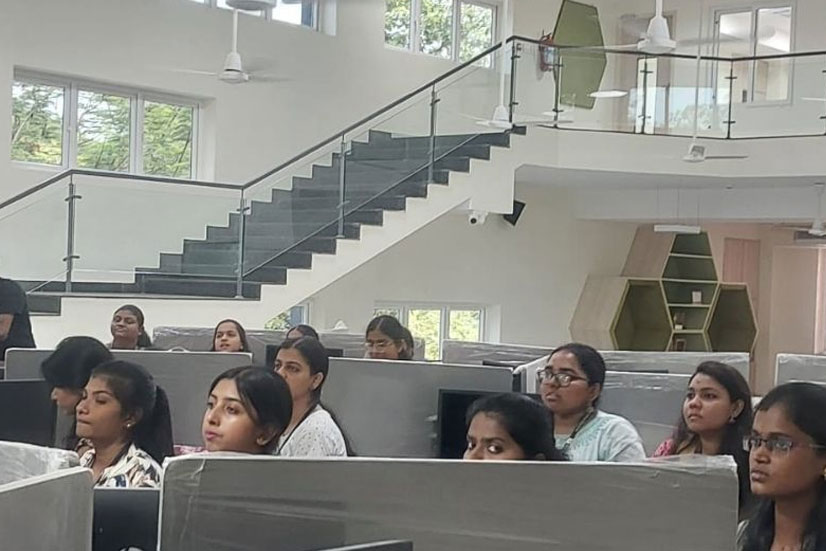
The first step to becoming a medical coder is to understand the fundamentals of the profession. You need to learn how medical coding works, what coding systems are used, and why accuracy is important. Coding systems like ICD (International Classification of Diseases), CPT (Current Procedural Terminology), and HCPCS are the backbone of this field. Having basic knowledge of anatomy, physiology, and medical terminology is essential, and students from medical backgrounds already have an advantage. Before enrolling in any course, it is important to research the industry requirements and job roles so that you clearly understand what skills are expected. This foundational understanding will make your learning process easier and more effective.
The next step is to enroll in a professional medical coding training program. Choosing the right institute is very important because it determines the quality of your learning. A good training program should include practical exposure, real-time case studies, and experienced trainers who can guide you properly. The course should cover important topics such as anatomy, medical terminology, ICD-10 coding, CPT coding, and industry guidelines. Many institutes also provide internship opportunities and placement assistance, which can help you get your first job easily. Investing time in proper training ensures that you are well-prepared for certification exams and job interviews.
After completing your training, the next crucial step is obtaining certification. Certifications such as CPC (Certified Professional Coder) or CCS (Certified Coding Specialist) are widely recognized and increase your job opportunities. These certifications validate your knowledge and demonstrate your ability to perform coding tasks accurately. Preparing for certification exams requires practice, consistency, and understanding of coding guidelines. Many employers prefer certified candidates because it reduces training time and ensures quality work. Achieving certification not only improves your confidence but also gives you a competitive edge in the job market.
Once you are certified, the next step is to build a strong resume and apply for jobs. Even if you are a fresher, you can highlight your training, certification, and practical knowledge. Focus on showcasing your understanding of coding systems, attention to detail, and ability to analyze medical records. Many companies hire freshers as trainee coders, where you can gain real-time experience and improve your skills. During this stage, attending interviews and practicing coding scenarios will help you gain confidence. The more exposure you get, the better your chances of securing a good position in a reputed company.
Gaining experience is the next important phase in your career. As you work in real-time environments, you will improve your speed, accuracy, and understanding of complex cases. With experience, you can move into advanced roles such as senior coder, auditor, or quality analyst. Continuous learning is essential because coding guidelines and healthcare standards are regularly updated. Attending workshops, upgrading certifications, and staying updated with industry trends will help you grow faster. Experienced professionals also get opportunities for higher salaries and specialized roles.
In conclusion, becoming a certified medical coder in India requires a clear step-by-step approach that includes learning, training, certification, and practical experience. With dedication and consistent effort, anyone with the right background can build a successful career in this field. The healthcare industry continues to expand, creating more opportunities for skilled coders across India. By following the right path and continuously improving your skills, you can achieve long-term career growth and stability in medical coding.
