
Skills Required to Become a Successful Medical Coder in 2026
Introduction
Medical coding is evolving rapidly in 2026 with the integration of advanced technologies, global healthcare standards, and increasing demand for accuracy in medical documentation. To succeed in this field, professionals need more than just basic coding knowledge; they must develop a combination of technical expertise and soft skills. As healthcare systems become more complex, coders play a crucial role in ensuring proper documentation, billing accuracy, and compliance. Freshers entering this field must understand the skills required to stay competitive and grow in their careers. Building these skills early will help you adapt to industry changes and secure better opportunities. This article highlights the essential skills needed to become a successful medical coder in 2026.
One of the most important skills in medical coding is a strong understanding of coding systems such as ICD-10, CPT, and HCPCS. These coding systems form the foundation of all coding activities, and accuracy in using them is critical. Coders must be familiar with guidelines, updates, and proper code selection methods. In 2026, with continuous updates in healthcare standards, staying current with coding changes is essential. Regular practice and referencing coding manuals help improve accuracy and reduce errors. Mastering these coding systems ensures that you can handle real-world medical cases effectively.
Attention to detail is another crucial skill for medical coders. Even a small mistake in coding can lead to claim rejections, financial losses, or compliance issues. Coders must carefully review patient records, identify relevant details, and assign accurate codes. This requires patience, focus, and the ability to analyze complex medical information. Developing this skill takes practice and consistency. Over time, attention to detail becomes a habit that improves both accuracy and efficiency.
Analytical thinking and problem-solving skills are also essential in medical coding. Coders often encounter complex cases where they need to interpret medical records and decide the correct coding approach. Understanding relationships between diagnoses, procedures, and treatments requires logical thinking. Being able to analyze situations and make accurate decisions is key to successful coding. Practicing real-time case studies and scenarios can help improve analytical skills and confidence.
Communication skills play an important role, even though medical coding is a non-clinical job. Coders may need to interact with healthcare providers, auditors, or team members to clarify documentation. Clear communication helps avoid misunderstandings and ensures accurate coding. In 2026, with remote work and global teams becoming more common, effective communication is even more important. Being able to explain coding decisions clearly is a valuable skill.
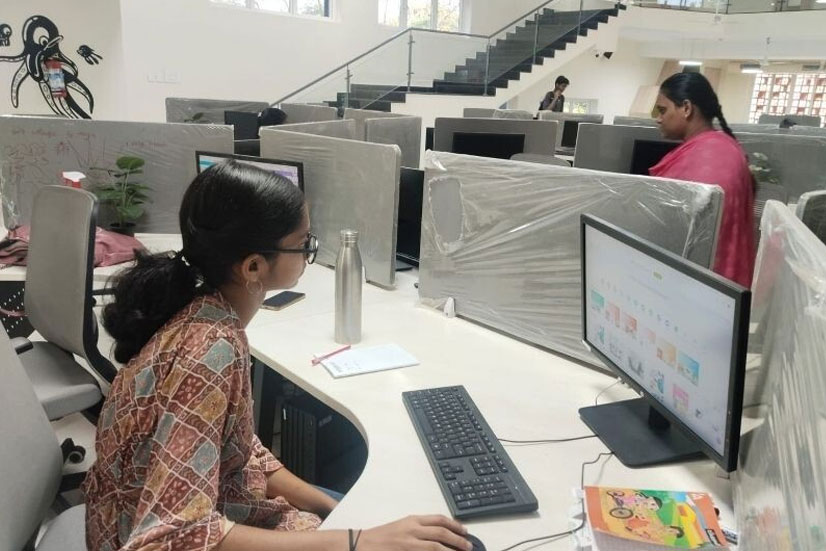
Technical skills and familiarity with healthcare software are increasingly important in modern medical coding. Coders use electronic health records (EHR) systems, coding tools, and billing software to perform their tasks. Understanding how to use these systems efficiently improves productivity and accuracy. As technology continues to evolve, coders must be comfortable adapting to new tools and digital platforms. Basic computer skills and software knowledge are now essential requirements in this field.
In conclusion, becoming a successful medical coder in 2026 requires a combination of technical knowledge, attention to detail, analytical thinking, communication, and adaptability to technology. Developing these skills will help you perform better in your job and grow in your career. With continuous learning and practice, you can stay updated with industry trends and achieve long-term success. Building these skills early in your journey will give you a strong advantage in the competitive healthcare industry.
